Which variants matter?
Machine-learning pipelines detect protein mislocalization and shape changes across 1,600+ coding variants from Cell Painting profiles, and translate them into pathogenicity estimates for clinical interpretation.
COMPUTATIONAL BIOLOGIST · PURDUE UNIVERSITY
Turning images of cells into causes and cures of disease.
I work at the crossroads of AI and the life sciences, developing and applying machine learning to understand living cells and turn that understanding into real answers: which genetic variants cause disease, which chemicals are safe, and which existing drugs could treat rare disorders.
[ 01 ] // ABOUT
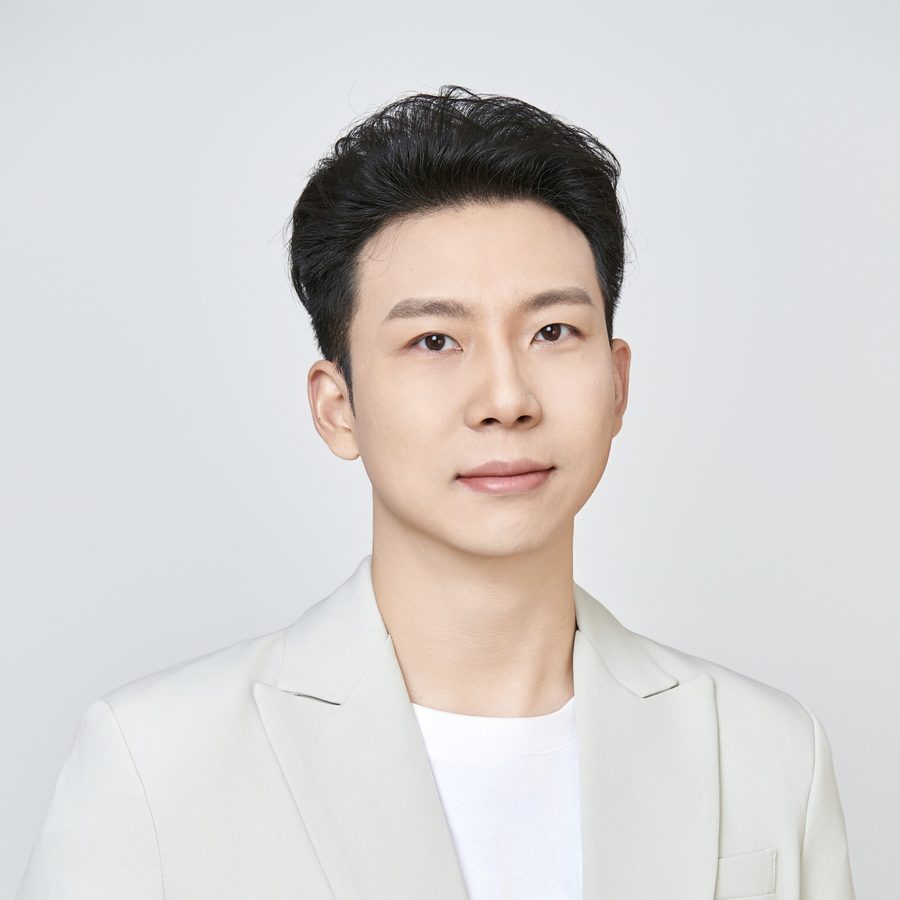
I'm Runxi Shen (沈润玺), a computational biologist who turns biological images into decisions: which genetic variants matter, which drugs could rescue a broken cell, and which chemicals are safe. I currently co-lead the Carpenter-Shen Lab at Purdue University with Dr. Anne Carpenter, building open methods and software for image-based discovery.
My path runs from evolution to medicine. I trained as a quantitative biologist at Cornell, studying how genomes evolve and adapt; spent years in industry at BeiGene, leading bioinformatics across more than 30 drug programs; and at the Broad Institute, brought AI to the world's largest cell-imaging experiments, working with international consortia to interpret disease-causing variants, predict chemical safety without animal testing, and uncover new uses for existing drugs.
I care about open, collaborative science: the kind where methods, data, and tools are shared so discoveries can compound.
[ 02 ] // RESEARCH
Machine-learning pipelines detect protein mislocalization and shape changes across 1,600+ coding variants from Cell Painting profiles, and translate them into pathogenicity estimates for clinical interpretation.
Predicting human and rat hepatotoxicity from high-dimensional cell profiles, laying the groundwork for replacing animal testing in medicine and agriculture.
Optical pooled screening to find FDA-approved drugs that rescue disease-causing protein mislocalization, turning existing medicines into new treatments.
Co-developing community benchmarks and a compact reference dataset from JUMP, the world's largest public Cell Painting dataset, for rapid model training and evaluation.
Population-genetics theory: mathematical models of genome-wide selection and host-symbiont coevolution in Drosophila (G3, 2022; Evolution, 2023).
[ 03 ] // PUBLICATIONS
More manuscripts under review and in preparation, including a scalable approach to variants of uncertain significance and genetic evidence on CCM2 in coronary atherosclerosis. Google Scholar ↗
[ 04 ] // TALKS
Slides and the full archive: runxi-shen.github.io/talks ↗
Full collection on YouTube: Runxi Shen talks ↗
SBI2 Short Course III: Bioimage Analysis · Nov 2, 2026 · with Alán F. Muñoz
Guest lecture, MIT 5.08/7.08 Fundamentals of Chemical Biology · Spring 2026
Primer on Medical and Population Genetics · Broad Institute, Sep 2025 (with Dr. Anne Carpenter) · Runxi's segment at 26:00
HESI OASIS General Members Meeting · June 2026 · Runxi's segment at 56:35
SBI2 2026 AI Colloquium · Invited panelist · Boston, MA, Nov 2026
[ 05 ] // PROJECTS
A single-cell image benchmark for protein mislocalization, with open data and evaluation code for representation learning.
Analysis notebooks behind our VarChAMP work, profiling how 1,600+ coding variants change protein localization in Cell Painting images.
Skill library and notebook catalog for working with JUMP, the world's largest public Cell Painting dataset.
A tool to plan fishing trips across U.S. national and state parks.
[ 06 ] // BEYOND THE BENCH
[ 07 ] // CONTACT
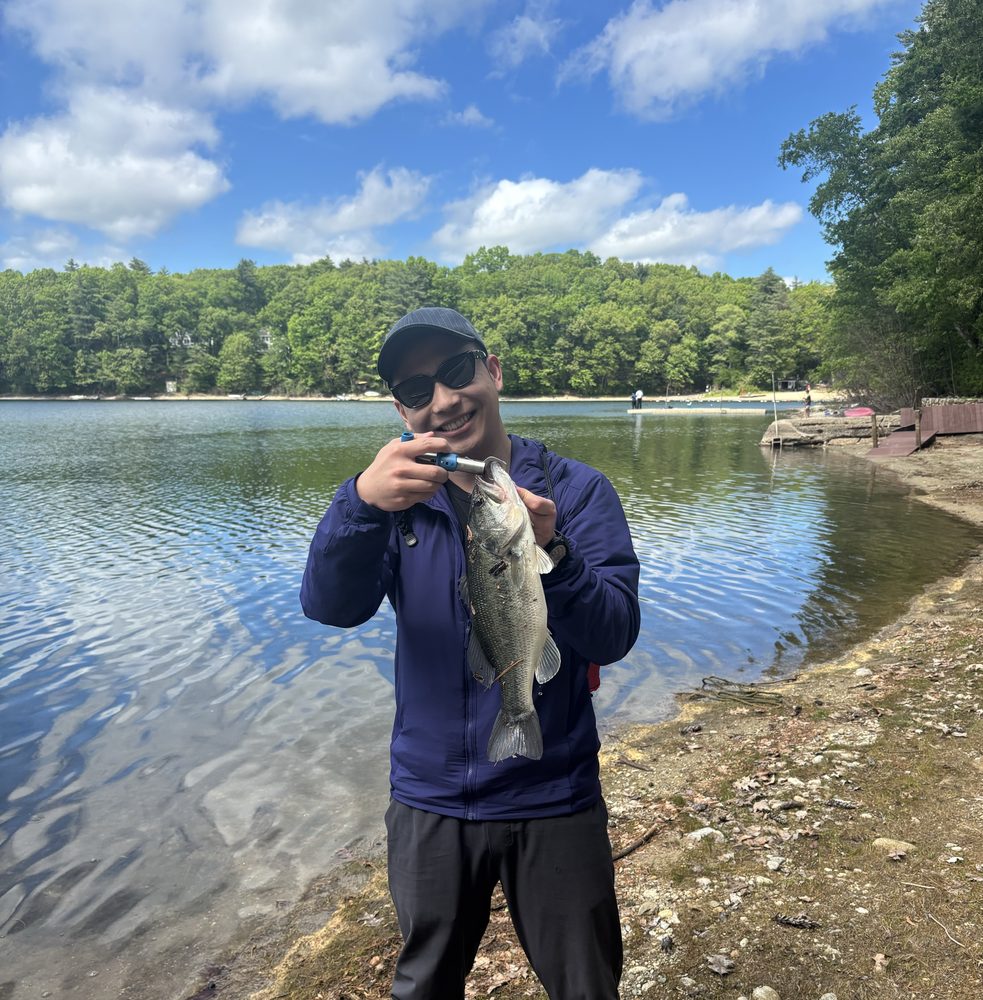
Collaborations, students, media, or just a good fishing tip: my inbox is open.